Claim Settlement Process Explained Simply and Clearly
Claim Settlement Process is a crucial yet often misunderstood aspect of insurance that every policyholder should grasp. This process not only determines how quickly and effectively claims are resolved but also ensures that individuals receive the compensation they deserve. Understanding this process can significantly ease the stress that often accompanies filing a claim, providing clarity during what can be a confusing time.
This guide delves into the various stages of the claim settlement process, the types of claims, common challenges faced, and tips for a smoother experience. With a comprehensive approach, we aim to empower policyholders to navigate through their claims with confidence and ease.
Overview of Claim Settlement Process
The claim settlement process is a critical component of insurance that Artikels how claims are handled from submission to resolution. It serves as a roadmap for policyholders and insurers, ensuring that claims are processed efficiently and fairly. Understanding this process is essential for policyholders to navigate their rights and responsibilities when filing a claim.A well-defined claim settlement process allows policyholders to know what to expect when they submit a claim.
It includes various stages, each serving a specific purpose in determining the validity of the claim and the amount to be paid. Familiarity with this process can help policyholders avoid delays and misunderstandings while ensuring they receive the compensation they are entitled to.
Key Stages in the Claim Settlement Process
The claim settlement process consists of several key stages that guide both the insurer and the policyholder through the resolution of a claim. Each stage plays an integral role in ensuring that claims are handled fairly and efficiently. The main stages include:
1. Claim Notification
The initial step where the policyholder informs the insurance company about the occurrence that led to the claim.
2. Documentation Submission
The policyholder is required to provide necessary documentation that supports their claim, such as photographs, police reports, and receipts.
3. Claim Assessment
Insurers evaluate the submitted documents and may conduct additional investigations to verify the details of the claim.
4. Claim Approval or Rejection
Based on the assessment, the insurer either approves the claim for payment or denies it, providing reasons for the decision.
5. Disbursement of Funds
If approved, the insurer processes the payment to the policyholder, completing the claim settlement.Understanding these stages is crucial for policyholders as it prepares them for each step of the process and highlights the importance of providing complete and accurate information upfront. This can significantly reduce the time taken to resolve claims and minimizes the potential for disputes.
“A clear understanding of each stage in the claim settlement process can empower policyholders, ensuring they receive timely and fair compensation.”
Steps in the Claim Settlement Process

Source: wixstatic.com
The claim settlement process can seem overwhelming, but it follows a structured series of steps that can help policyholders navigate their way through it. Understanding these steps is crucial for ensuring that your claim is processed efficiently and correctly. Each stage requires specific documentation to support your claim, which ensures that the process is transparent and fair.
Sequential Steps in Filing a Claim
The steps involved in filing a claim are essential for ensuring a smooth settlement. Each step requires specific documentation to facilitate the process. Below are the sequential steps along with the necessary documentation required at each stage.
1. Claim Notification
The initial step involves notifying your insurer about the incident leading to the claim. This is generally done through a phone call or an online submission.
Documentation Required
Policy number, details of the incident (date, time, nature).
2. Claim Form Submission
After notification, the next step is to fill out the claim form provided by the insurer.
Documentation Required
Completed claim form, identification proof, and policy details.
3. Document Submission
This step requires submitting all necessary documents to substantiate your claim.
Documentation Required
Incident report (for accidents)
Medical reports (for health claims)
Repair estimates (for property claims)
Photographic evidence (if applicable)
4. Claim Assessment
The insurer will review the submitted documents and may send an adjuster to assess the claim.
Documentation Required
All previous documentation submitted, plus any additional information requested by the insurer.
5. Claim Decision
Based on the assessment, the insurer will make a decision regarding the claim.
Documentation Required
Initial claim form and any correspondence with the insurer.
6. Claim Settlement
If the claim is approved, the final step is the settlement, where the insurer disburses the agreed amount.
Documentation Required
Acceptance of the settlement (signed by the policyholder)
Bank details for the transfer of funds.
The above steps help create a clear roadmap for policyholders to follow, ensuring they have all necessary documentation prepared at each stage, which can significantly speed up the claim process.
Flowchart of the Claim Settlement Process
To visually represent these steps, a flowchart can be created. This flowchart would illustrate the sequential steps and the documentation required at each stage, presenting a clear, easily digestible view of the entire process. Flowchart Description:
Start
Incident occurs → Claim Notification → Claim Form Submission → Document Submission → Claim Assessment → Claim Decision → Claim Settlement → End.
Each step would branch off to show the associated documentation, creating a visual guide that can simplify the understanding of the claim settlement process.
Using a flowchart in this manner helps to reinforce the importance of each step and the necessary documents, making it easier for policyholders to prepare and proceed confidently through their claim journey.
Types of Claims
Understanding the various types of insurance claims is crucial for policyholders and insurers alike. Each type of claim comes with its own set of processes and requirements, which can significantly impact the settlement timelines and outcomes. The claim settlement process differs based on the insurance type—life, health, and auto—each catering to specific situations and policyholder needs.
Claim Types Overview
Several categories of claims exist within the insurance framework. The most common types include life insurance claims, health insurance claims, and auto insurance claims. Each category serves distinct purposes and adheres to specific regulations, influencing how claims are processed.
- Life Insurance Claims: These claims are filed upon the death of the insured individual, triggering the benefits to be paid to the designated beneficiaries. The process typically requires the submission of a death certificate and may involve additional documentation, such as proof of identity and policy details.
- Health Insurance Claims: These claims arise when policyholders seek reimbursement for medical expenses incurred. The claim process can vary depending on whether the treatment was received from an in-network or out-of-network provider. Key documents include medical bills, treatment records, and insurance cards.
- Auto Insurance Claims: These claims are initiated in the event of vehicle damage or accidents. The process often involves filing a claim report, providing photographs of the damage, and possibly involving law enforcement reports if applicable. Documentation related to repairs and estimates is also necessary.
Comparison of Claim Settlement Processes
The claim settlement processes for life, health, and auto insurance have notable differences, primarily in documentation requirements and timelines.
- Life Insurance: The claim process may take several weeks, as insurers conduct thorough investigations to validate the claim. However, once verified, settlements can be prompt.
- Health Insurance: Claims can be processed relatively quickly, often within a few days. Reimbursements for covered medical expenses depend on the completeness of the submitted documentation.
- Auto Insurance: The timeline for claim processing can vary significantly based on the claim’s complexity. Simple claims may be settled within days, while more complicated cases involving multiple parties may take longer due to investigations.
Unique Requirements for Each Type of Claim
Each type of insurance claim comes with specific documentation and requirements that must be met for successful processing.
- Life Insurance: Essential documents include the original policy, death certificate, and identification of beneficiaries. Some insurers may require additional information based on policy stipulations.
- Health Insurance: Claims necessitate detailed medical bills, itemized statements from healthcare providers, and a completed claim form. Accurate coding on bills is crucial for efficient processing.
- Auto Insurance: Required documentation typically includes a completed claim form, proof of loss, photos of damages, and police reports if applicable. Ensuring all details are correctly filled out can expedite claims.
“Understanding the unique requirements and processes for each type of claim can significantly streamline the claim settlement experience.”
Common Challenges in Claim Settlement
The claim settlement process plays a crucial role in ensuring that individuals and businesses receive the compensation they are entitled to. However, it is not without its obstacles. Understanding these common challenges can help stakeholders navigate the process more effectively and ensure a smoother experience.Delays in the claim settlement process can arise from various factors that hinder timely resolution. Identifying these obstacles is essential for both claimants and insurance providers to streamline their operations and meet expectations.
Below are some of the prominent challenges faced in the claim settlement process.
Obstacles in Claim Settlement
Several factors contribute to the challenges encountered during the claim settlement process. These obstacles can lead to delays, frustration, and dissatisfaction among claimants. Common challenges include:
- Documentation Issues: Incomplete or missing documentation can cause significant delays. Claims require various supporting documents, such as police reports, medical records, and proof of ownership. When these documents are not provided promptly, it can prolong the settlement process.
- Fraud Investigations: Claims that raise suspicion may be subject to fraud investigations. While necessary, these investigations can take time and lead to delays in settlement as the insurance company conducts thorough checks.
- Complexity of Claims: Some claims involve complex scenarios, such as multi-car accidents or severe injuries. The intricacies involved can require additional assessments and consultations, extending the settlement timeframe.
- Disputes Over Coverage: Disagreements between the claimant and the insurer regarding the extent of coverage can stall the process. These disputes often require negotiation and can lead to prolonged discussions before a resolution is reached.
Causes of Delays
Delays during the claim settlement process can stem from various factors. Recognizing these causes can help in developing strategies to mitigate their impact. Key causes include:
- High Claim Volume: During certain periods, such as natural disasters or economic downturns, insurance companies may experience a surge in claims. High volumes can overwhelm claims adjusters, leading to slower processing times.
- Inadequate Communication: Lack of clear communication between the claimant and the insurance provider can result in misunderstandings and delays in providing necessary information or documentation.
- Legal Complications: Claims that involve legal proceedings or litigation can take longer to settle due to court schedules and legal protocols.
Strategies to Overcome Challenges, Claim Settlement Process
To navigate the complexities of the claim settlement process effectively, certain strategies can be employed to overcome the identified challenges. Implementing these strategies can lead to a more efficient resolution. Effective approaches include:
- Proper Documentation: Ensuring that all necessary documents are collected and submitted promptly can prevent delays. Claimants should maintain a checklist of required documents to streamline the submission process.
- Regular Communication: Keeping open lines of communication between claimants and insurers can facilitate quicker responses and reduce misunderstandings. Regular follow-ups can help keep the process on track.
- Seeking Professional Help: Engaging a claims adjuster or legal professional can help navigate complex claims and disputes, ensuring that all aspects are addressed timely and accurately.
Timely settlement of claims is often a reflection of efficient processes and effective communication.
Role of Insurance Adjusters
Insurance adjusters play a crucial role in the claim settlement process, serving as the bridge between the policyholder and the insurance company. Their main responsibility is to assess the validity and value of insurance claims, ensuring that the settlement is fair and in line with the policy terms. This involves investigating claims, evaluating damages, and determining the insurer’s liability.The responsibilities of insurance adjusters encompass a variety of tasks that are essential to the claim settlement process.
They begin by investigating the claim, which can include visiting the site of the incident, interviewing the claimant, and gathering evidence such as photographs, police reports, and witness statements. Adjusters must also assess the damages, which involves estimating repair costs or evaluating medical expenses related to injuries.
Criteria Used by Adjusters to Evaluate Claims
Understanding the criteria used by adjusters to evaluate claims is important for policyholders. Adjusters utilize a systematic approach that includes several key factors:
- Policy Coverage: Adjusters review the specific terms of the insurance policy to determine what is covered and what limitations may exist.
- Evidence and Documentation: The quality and quantity of evidence provided by the claimant play a significant role in the assessment of the claim. This includes photographs, receipts, and medical records.
- Extent of Damages: The adjuster closely examines the extent of damages or losses claimed, often using industry standards and guidelines to assess repair or replacement costs.
- Claim History: Previous claims made by the policyholder or similar claims in the area may give context to the current claim and influence the adjuster’s decision.
Communication with insurance adjusters is essential throughout the claim process. Effective communication can facilitate a smoother settlement experience. Here are some strategies to enhance interactions:
Effective Communication with Adjusters
Establishing clear and open communication with insurance adjusters can significantly impact the outcome of a claim. Here are some best practices:
- Be Transparent: Provide all relevant information and documentation requested by the adjuster promptly to help expedite the process.
- Stay Organized: Keep a record of all communications, including dates, times, and the nature of discussions with the adjuster. This can prove invaluable if disputes arise.
- Ask for Clarification: If there are terms or decisions made by the adjuster that are unclear, don’t hesitate to ask for clarification. Understanding the process can ease concerns.
- Maintain Professionalism: Approach discussions with a calm and respectful demeanor, even if disagreements occur. This creates a more productive dialogue.
Effective communication and transparency with insurance adjusters can lead to a more favorable outcome during the claim settlement process.
Tips for a Smooth Claim Settlement Experience
Source: slideteam.net
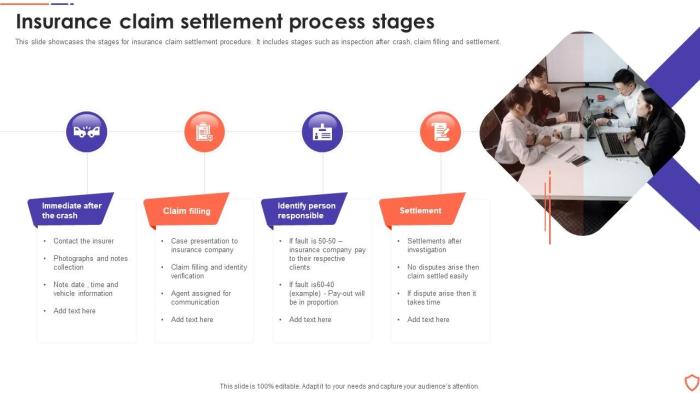
Navigating the claim settlement process can often feel overwhelming, but with a few well-organized strategies, you can significantly enhance your experience. Being prepared with the right documents and maintaining meticulous records can streamline the process and help you achieve a satisfactory outcome.Understanding the importance of preparation, it’s crucial to gather all the necessary documents before initiating your claim. This proactive approach not only saves time but also reduces the likelihood of delays or complications during the settlement.
Below is a checklist of essential documents often required for a successful claim submission.
Checklist of Necessary Documents
A comprehensive checklist helps ensure that you don’t miss any vital paperwork. Here’s a list of common documents you may need for your claim:
- Policy documents
- Claim form (filled out)
- Proof of loss (photos, receipts, etc.)
- Medical records (for health claims)
- Police reports (for auto claims)
- Repair estimates (for property damage)
Maintaining accurate records throughout the claim process is essential. This practice facilitates communication and keeps all relevant information organized and easily accessible. Below are a few tips to help you stay on track.
Advice on Maintaining Accurate Records
Keeping detailed records can make a significant difference in how smoothly your claim is processed. Here’s what you should consider:
- Document all communications with your insurance company, including dates and names of representatives.
- Keep copies of all submitted documents and forms.
- Record any important dates, such as the date of loss and when you filed your claim.
- Maintain a log of expenses related to the claim, including temporary housing or repairs.
Understanding that different types of claims may require specific approaches can aid in preparing effectively. The following table illustrates tailored tips for home, auto, and health claims to optimize your efforts.
Comparison of Tips for Different Types of Claims
Here’s a concise comparison to guide your claim process based on the specific type of insurance involved:
| Type of Claim | Tips |
|---|---|
| Home | Ensure you have photographs of the damage, and keep a list of lost or damaged items. |
| Auto | Gather police reports and witness statements, and document all repair estimates. |
| Health | Collect all medical receipts and statements, and confirm coverage with your provider. |
“Being organized and thorough in your documentation can significantly expedite the claim settlement process.”
Understanding Claim Denials
Navigating the world of insurance claims can be complex, and unfortunately, claim denials are a common hurdle that many face. Understanding why claims are denied and knowing how to effectively appeal these decisions can significantly influence the outcome of your insurance experience. This section dives into the common reasons for claim denials, the appeal process, and best practices to prevent these issues from arising.
Common Reasons for Claim Denials
Claims can be denied for various reasons, and being aware of these can help policyholders avoid pitfalls. Some frequent causes include:
- Insufficient Coverage: Having a policy that doesn’t cover the claimed amount or type of loss can lead to denial.
- Late Reporting: Failing to report the claim within the required time frame set by the insurer can result in denial.
- Policy Exclusions: Certain damages or events may not be covered by the insurance policy, leading to automatic denial.
- Incomplete Documentation: Not providing necessary documents or evidence to support the claim can result in rejection.
- Fraudulent Claims: Any indication of fraudulent activity will result in a denial, as insurers take such matters very seriously.
Process to Appeal a Denied Claim
When a claim is denied, it’s important to understand the appeals process. This involves several steps which can help you contest the insurer’s decision effectively:
1. Review the Denial Letter
Understand why your claim was denied by carefully reading the denial letter which Artikels the reasons for rejection.
2. Gather Supporting Documents
Collect all relevant documents, including the original claim submission, policy details, and any correspondence with the insurer.
3. Write an Appeal Letter
Draft a formal appeal letter addressing the reasons for denial, including new evidence or clarifications as needed.
4. Submit the Appeal
Send your appeal letter along with the supporting documents to the insurance company’s designated appeals department.
5. Follow Up
After submitting your appeal, it’s crucial to follow up periodically and maintain communication with the insurer to ensure your appeal is being processed.
Best Practices for Preventing Claim Denials
Preventing claim denials is always better than dealing with them later. Adopting some best practices can minimize the chances of facing a denial:
- Understand Your Policy: Familiarize yourself with the coverage limits, exclusions, and requirements of your insurance policy.
- Document Everything: Keep detailed records of all interactions with your insurer, as well as documentation related to your claim.
- Report Claims Promptly: Submit claims as soon as possible after an event occurs to avoid late reporting issues.
- Provide Complete Information: Ensure that all required information and documentation are submitted with your initial claim.
- Consult an Insurance Professional: Seek advice from an expert if you are unsure about the claims process or the specifics of your policy.
Legal Aspects of Claim Settlement

Source: fortitudepublicadjusters.com
Understanding the legal aspects of the claim settlement process is crucial for policyholders to ensure their rights are protected and their claims are handled fairly. This section covers the essential legal rights of policyholders, when legal representation may be necessary, and the implications of bad faith practices in claim settlements.
Legal Rights of Policyholders
Policyholders have specific legal rights that safeguard them throughout the claim settlement process. These rights ensure that insurers act fairly and transparently. Key rights include:
- Right to Information: Policyholders are entitled to receive comprehensive details about their policy, coverage, and the claim process.
- Right to Fair Treatment: Insurers must process claims in a fair manner, keeping in mind the terms Artikeld in the policy agreement.
- Right to Appeal: If a claim is denied, policyholders have the right to appeal the decision, providing evidence for reconsideration.
- Right to Legal Action: If claims are mishandled or unjustly denied, policyholders can pursue legal action against the insurer.
Situations Requiring Legal Representation
Certain circumstances may warrant hiring legal representation during the claim settlement process. Engaging a lawyer can be beneficial in the following scenarios:
- Complex Claims: When dealing with claims involving significant financial amounts or intricate policy details.
- Claim Denials: If an insurer denies a claim without valid justification, legal counsel can help challenge the decision.
- Disputes over Coverage: When there are disagreements regarding what is covered under the policy or the extent of that coverage.
- Negotiating Settlements: If negotiations for a settlement become contentious or if the insurer is uncooperative.
Implications of Bad Faith in Claim Settlements
Bad faith in claim settlements refers to situations where an insurer fails to act in the best interest of the policyholder, violating obligations Artikeld in the insurance contract. Recognizing bad faith practices is essential for policyholders. Key implications include:
- Legal Consequences: Policyholders may file lawsuits for bad faith, which can lead to damages beyond the initial claim, including punitive damages.
- Reputation Damage: Insurers found to engage in bad faith practices can suffer reputational harm, potentially affecting their business.
- Compensation for Emotional Distress: Policyholders can seek additional compensation for the stress and anxiety caused by an insurer’s refusal to handle claims properly.
- Increased Scrutiny: Patterns of bad faith can result in regulatory scrutiny and investigations into the insurer’s practices.
“The legal framework surrounding claim settlements is designed to protect policyholders and ensure they receive fair treatment from insurers.”
Future Trends in Claim Settlement: Claim Settlement Process
The future of claim settlement is poised to undergo significant transformations, driven by advancements in technology and changes in consumer behavior. As insurers and policyholders alike seek more efficient and transparent processes, various innovations are expected to reshape the landscape of claims management. Understanding these trends is essential for stakeholders aiming to stay ahead in the ever-evolving insurance industry.Technological advancements are beginning to play a crucial role in streamlining claim settlements, making them faster and more accurate.
Automation, data analytics, and artificial intelligence are leading this charge, enabling insurers to process claims with unprecedented efficiency. With AI systems capable of analyzing vast amounts of data and learning from past claims, the potential for reducing human error and expediting decision-making in claims processing is greatly enhanced.
Technological Advancements in Claims Processing
The integration of technology in the claims process brings several key developments, which enhance the overall efficiency and experience for both insurers and policyholders. Here are some notable advancements:
- Automation: Automating routine tasks, such as data entry and initial claims assessments, reduces processing time and minimizes errors.
- Blockchain Technology: This technology provides secure, transparent records of transactions, which can be invaluable in verifying claims and preventing fraud.
- Mobile Applications: Policyholders are increasingly utilizing apps to file claims, upload documents, and track claim status in real-time, improving user experience.
- Data Analytics: Insurers can analyze trends and patterns in claims data to identify risk factors and streamline the underwriting process.
Predictions for the Evolution of Claims Processing
Looking ahead, several trends are expected to significantly influence claims processing in the coming years. These include:
- Increased Use of AI: Artificial intelligence will become more sophisticated, providing predictive analytics that help insurers anticipate claim outcomes and improve fraud detection.
- Enhanced Customer Engagement: The focus will shift toward creating personalized experiences for policyholders, with tailored communication and transparent claims processes.
- Remote Assessments: Technology, such as drones and virtual inspections, will facilitate remote evaluations of damages, expediting the claims process while reducing costs.
- Integration of IoT Devices: The Internet of Things (IoT) will provide real-time data from connected devices, enhancing the accuracy of claims and allowing for proactive risk management.
The Role of Artificial Intelligence in Settlement Improvement
Artificial intelligence is set to revolutionize the claims settlement process by providing significant improvements in efficiency, accuracy, and customer satisfaction. AI technologies can analyze claims data, assess risk profiles, and automate routine tasks, leading to quicker resolutions.
The application of AI not only speeds up the claim processing but also enhances the accuracy of assessments, thus fostering greater trust between insurers and policyholders.
Overall, embracing these technological advancements and understanding their implications will be vital for insurers looking to thrive in the future of claim settlement. As these trends unfold, both insurers and policyholders can expect a more streamlined, efficient, and transparent claims experience.
Final Thoughts
In summary, the Claim Settlement Process is an essential journey for policyholders that involves understanding the nuances of different claims, the role of adjusters, and the importance of documentation. By familiarizing themselves with the potential challenges and knowing how to communicate effectively, individuals can greatly enhance their chances of a successful claim outcome. Remember, being informed is the first step toward a hassle-free experience.
FAQ Guide
What is the average time for a claim to be settled?
The average time can vary significantly by type of claim and insurer, but generally, it ranges from a few days to several weeks.
Can I appeal a denied claim?
Yes, you can appeal a denied claim by providing additional documentation or evidence to support your case.
Do I need a lawyer for the claim settlement process?
While not always necessary, legal representation can be beneficial, especially in complex cases or if you’re facing a denied claim.
What documents are essential for filing a claim?
Essential documents typically include the policy document, claim form, proof of loss, and any relevant supporting evidence such as receipts or photos.
How can I prevent my claim from being denied?
To prevent denial, ensure that you provide complete and accurate information, maintain thorough documentation, and follow up with your insurer regularly.