Property Damage Claim Service Made Simple
Property Damage Claim Service takes center stage as a vital resource for property owners facing unexpected challenges. When disasters strike—whether due to natural events or accidents—navigating the claims process can be daunting. Understanding how to effectively manage your claim not only provides peace of mind but also ensures you receive the compensation you deserve.
From the initial steps of filing a claim to the intricate details of documentation and negotiations with insurance, this guide will walk you through every aspect of property damage claims, empowering you to tackle the process with confidence.
Introduction to Property Damage Claim Service

Source: cloudfront.net
Property damage claim services help individuals and businesses navigate the often complex process of filing claims for damages to their property. These services provide expertise in understanding insurance policies, assessing damage, and ensuring that the claim is processed efficiently. The significance of utilizing these services lies in their ability to maximize compensation for losses and to relieve the stress associated with dealing with insurance companies.Various scenarios can necessitate the need for property damage claims.
Events such as natural disasters, accidents, vandalism, and theft are common situations where property owners may seek assistance. The following examples illustrate typical circumstances that might lead to claims:
Common Scenarios for Property Damage Claims
Understanding the various scenarios that can lead to property damage claims is crucial for property owners. Here are some of the most frequent situations:
- Natural Disasters: Events like floods, hurricanes, and earthquakes can cause significant damage to homes and businesses. These occurrences often lead to extensive repairs and rebuilding efforts, necessitating the filing of claims to recover costs.
- Fire Damage: Fires can result from various sources, such as electrical faults or kitchen accidents. The aftermath can be devastating, requiring property owners to claim damages for both structural repairs and lost possessions.
- Theft or Vandalism: Property owners may experience loss due to theft or intentional destruction. Claims in such cases often cover stolen items and the costs associated with repairing damaged property.
- Accidental Damage: Accidents, such as water damage from a burst pipe or a vehicle colliding with a building, can create situations where claims are necessary to cover repair expenses.
In these scenarios, having a property damage claim service can significantly increase the chances of a favorable outcome, ensuring that all damages are assessed accurately, and rightful compensation is obtained.
Types of Property Damage Claims
Property damage claims can arise from a variety of incidents, each necessitating a unique approach to filing and resolution. Understanding the different types of claims is essential for property owners to navigate the complexities of insurance coverage and financial recovery effectively. Claims typically fall into two broad categories: those resulting from natural disasters and those stemming from accidents or negligence.
Each type of claim can vary significantly in terms of the claims process and potential compensation.
Natural Disasters
Natural disasters often cause extensive property damage, which can lead to significant financial losses for homeowners and businesses. Common types of claims arising from natural disasters include:
- Hurricanes: These storms can cause severe wind and flooding damage. For example, homeowners in Florida may file claims for roof damage or flooded basements. Claims can range from $10,000 to over $100,000 depending on the extent of damage.
- Earthquakes: Earthquake damage can devastate structures. In California, for instance, homeowners might claim for cracked foundations or fallen walls, with claims averaging between $15,000 and $200,000.
- Floods: Flooding often leads to widespread damage. People in flood-prone areas may seek compensation for water-damaged electronics and flooring, with claims typically ranging from $5,000 to $50,000.
- Wildfires: In regions like California, wildfires can lead to total property loss. Claims can vary widely, with some individuals claiming more than $200,000 for home replacement and recovery.
Accidental Damage
Accidental damage claims arise from unexpected incidents that lead to property impairment. Such claims can occur in residential or commercial settings. Examples include:
- Fire: Accidental fires can cause extensive damage. For instance, a kitchen fire can lead to claims for both smoke damage and structural repair, with potential payouts of $10,000 to $150,000.
- Water Damage: This can result from burst pipes or appliance malfunctions. Homeowners might file claims for damage caused by leaking roofs or overflowing bathtubs, typically ranging from $5,000 to $75,000.
- Theft: Property theft can lead to claims for stolen items, such as electronics or jewelry, with average payouts around $1,000 to $20,000 based on the value of the stolen property.
- Vandalism: Acts of vandalism may result in the need for repairs or replacements of damaged property. Claims can vary but often fall between $500 and $30,000 depending on the severity of the damage.
Comparison Table of Property Damage Claims
Understanding the potential claim amounts and processes for different types of property damage can aid in preparation and planning. The following table summarizes the key aspects of various claims:
| Type of Claim | Potential Claim Amount | Typical Process |
|---|---|---|
| Hurricanes | $10,000 – $100,000+ | File with homeowners insurance; assessment of damages required. |
| Earthquakes | $15,000 – $200,000 | Must have earthquake insurance; detailed damage report needed. |
| Floods | $5,000 – $50,000 | Requires flood insurance; documentation of losses essential. |
| Wildfires | $200,000+ | Insurance claim for total loss; extensive documentation needed. |
| Fire (Accidental) | $10,000 – $150,000 | Homeowners insurance claim; fire department report may be required. |
| Water Damage | $5,000 – $75,000 | Claim filed under homeowners insurance; prompt reporting recommended. |
| Theft | $1,000 – $20,000 | Police report required; homeowners or renters insurance takes precedence. |
| Vandalism | $500 – $30,000 | Insurance claim filed; documentation of damages needed. |
Steps to File a Property Damage Claim
Source: living.net
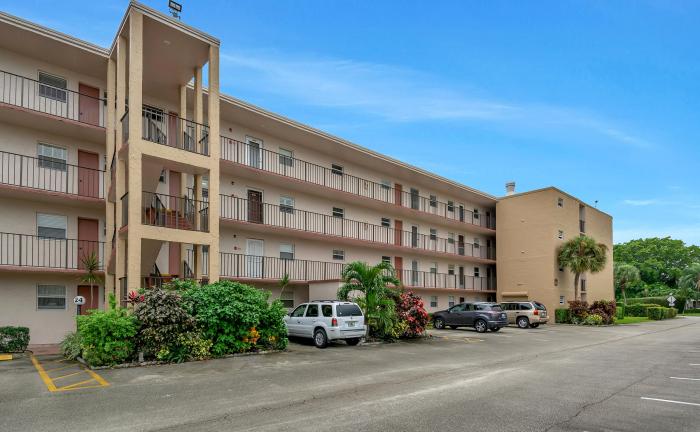
Filing a property damage claim can seem daunting, but breaking it down into manageable steps can simplify the process. Understanding the necessary procedures and required documentation is key to ensuring your claim is submitted correctly and efficiently. This guide will walk you through the essential steps to take when filing a property damage claim.Gathering the right documentation and evidence is crucial for a successful claim.
Accurate records can substantiate your claim and expedite the claims process, allowing you to receive compensation more swiftly. Below are the steps you should follow when filing a claim.
Initial Steps in Filing a Claim
Before diving into the claim submission, it is important to prepare adequately. Here’s a checklist of initial steps to follow:
- Report the incident to the relevant authorities if required (e.g., police, fire department).
- Notify your insurance company about the incident as soon as possible.
- Document the damage thoroughly, taking clear photos from multiple angles.
- Compile a list of damaged items, noting their value and conditions.
Necessary Documentation and Evidence
To support your claim effectively, specific documentation is required. This paperwork will help your insurer assess the legitimacy and the extent of your claim. Important documents include:
- Photographs of the damage and the affected area.
- Receipts or invoices for damaged property or repairs.
- A copy of the police or fire report (if applicable).
- Your insurance policy details, highlighting coverage and limits.
- Any correspondence with the insurance company regarding the claim.
Step-by-Step Procedure for Filing a Claim
Filing a property damage claim involves a systematic approach. Here’s a step-by-step guide to streamline the process:
- Contact your insurance company to report the incident and request a claim form.
- Fill out the claim form accurately, providing detailed information about the incident.
- Attach all necessary documentation, including photographs and receipts.
- Submit the claim form and documentation to your insurance company, either online or via mail.
- Follow up with your insurer to confirm they received your claim and inquire about the timeline for processing.
- Be prepared for an adjuster to assess the damage and discuss the coverage with you.
- Review the settlement offer carefully; negotiate if necessary to ensure fair compensation.
Role of Insurance in Property Damage Claims
Insurance companies play a pivotal role in the property damage claims process, acting as intermediaries between policyholders and the financial compensation they seek for their losses. Understanding the intricacies of how these companies operate can greatly enhance a policyholder’s ability to navigate the claims process effectively. Having the right insurance coverage not only provides peace of mind but also equips individuals with the necessary resources to recover from unexpected damages.Insurance companies are responsible for assessing the validity of a claim, determining the extent of damages, and ultimately deciding how much compensation the insured party is eligible to receive.
This process begins once a claim is filed and involves a thorough investigation. Insurers often assign adjusters to evaluate the damages, which can include anything from fire and water damage to theft and vandalism. It’s crucial for policyholders to document their losses accurately and provide all necessary information to facilitate a smooth claims experience.
Types of Insurance Policies Relevant to Property Damage
There are several types of insurance policies that individuals and businesses can consider to protect themselves against property damage. Each policy type serves a different purpose and offers various coverage options.
- Homeowners Insurance: This policy typically covers damages to a home and its contents caused by events such as fire, theft, and natural disasters. It may also provide liability coverage in case someone is injured on the property.
- Renters Insurance: Similar to homeowners insurance, renters insurance protects personal possessions within a rented property. It does not cover the building itself, which is the landlord’s responsibility.
- Commercial Property Insurance: For businesses, this policy covers damage to commercial buildings and their contents due to incidents like fire, theft, and certain natural disasters.
- Flood Insurance: A specialized policy that covers damage caused by flooding, which is typically not included in standard homeowners or renters insurance.
Each of these policies can contain different limitations and exclusions, making it essential for policyholders to fully understand their coverage. Reviewing the policy details and discussing potential gaps with an insurance agent can help ensure adequate protection against property damage.
Negotiating with Insurance Adjusters
Negotiating with insurance adjusters is a critical step in the claims process, as these professionals are responsible for determining the payout amount based on their assessment. Effective negotiation can lead to a more favorable settlement, making it important for policyholders to be well-prepared.Before engaging in negotiations, it’s advisable to gather all relevant documentation including photos of damages, repair estimates, and any correspondence with the insurer.
This evidence supports the claim and provides a stronger basis for negotiation.When speaking with an adjuster, consider the following strategies:
- Stay Professional: Maintain a calm and professional demeanor during discussions. This helps build rapport and can lead to more productive conversations.
- Be Informed: Understand your policy’s coverage and limits. Being well-versed in your rights and benefits can empower you during negotiations.
- Present Evidence: Clearly present your evidence and documentation to support your claim. Use detailed repair estimates and photographs to substantiate your case.
- Negotiate Fairly: Don’t hesitate to counter an initial offer if it seems too low. Clearly articulate why you believe a higher amount is justified based on your evidence.
In summary, approaching negotiations with preparation and confidence can significantly impact the outcome of a property damage claim. Establishing a cooperative relationship with the adjuster while being assertive about one’s rights can lead to satisfactory results for both parties.
Common Mistakes in Filing Claims
Source: cloudfront.net
Filing a property damage claim can be a daunting task, and many individuals make mistakes that can jeopardize their chances of receiving a fair settlement. Understanding these common errors is essential for a smoother claims process. By being aware of these pitfalls and knowing how to avoid them, you can increase your chances of successfully navigating the claims landscape.Various mistakes can arise during the claims process, often leading to delays or denials.
A proactive approach to filing your claim can save time and stress. Below are some frequently encountered errors that claimants make, along with tips to help you avoid them.
Frequent Errors in Claim Filing
To enhance your understanding of the claims process, it’s important to recognize common errors that occur during filing. This knowledge can significantly impact the outcome of your claim.
- Incomplete Documentation: One of the most common mistakes is failing to provide necessary documents and evidence to support your claim. Always gather comprehensive documentation, including photographs, receipts, and a detailed description of the damage.
- Delaying the Filing: Waiting too long to file a claim can result in complications. Many insurance policies have specific time frames for filing claims, so it’s crucial to act promptly after the incident.
- Incorrect Information: Providing inaccurate or misleading information can lead to denial of your claim. Ensure that all details, including your personal information and damage description, are accurate and truthful.
- Not Understanding Your Policy: Overlooking the terms and conditions of your insurance policy can lead to mistakes in what is covered. Familiarize yourself with your policy to understand your rights and obligations.
- Failing to Communicate Properly: Poor communication with your insurance provider can cause misunderstandings. Maintain clear and consistent communication throughout the claims process to ensure a smooth experience.
- Accepting the First Offer: Many claimants accept the first settlement offer out of fear of negotiation. Always review the offer carefully and consult with a professional if needed before accepting any settlement.
Taking proactive steps can mitigate these common mistakes, leading to a more favorable outcome for your property damage claim. Always approach the claims process with diligence and awareness to secure the compensation you deserve.
Importance of Documentation
In property damage claims, thorough documentation serves as the backbone of your case. Whether it’s a small incident or a significant disaster, having a well-documented account of the damage and the steps taken to remedy it can make a substantial difference in the outcome of your claim. Without adequate documentation, you may face challenges in proving your case to your insurance provider or any other parties involved.Accurate and comprehensive documentation not only supports your claim but also helps in expediting the claims process.
It offers a clear picture of the extent of the damage, the costs associated with repairs, and any additional losses incurred due to the incident. Ensuring you have the right documents can significantly bolster your position when negotiating with your insurance company.
Essential Documentation Types
Understanding the types of documentation necessary for a solid property damage claim is crucial. Each type serves a specific purpose in validating your claim and facilitating a smoother process. Here’s a detailed breakdown of essential documents and their purposes:
| Document Type | Purpose |
|---|---|
| Photographs of Damage | Visual evidence showing the extent of the damage. |
| Repair Estimates | Cost assessments from contractors detailing repair expenses. |
| Insurance Policy | Proof of coverage outlining the terms and conditions of your insurance. |
| Receipts and Invoices | Documentation of any out-of-pocket expenses related to repairs or temporary accommodations. |
| Witness Statements | Accounts from individuals who saw the incident, lending credibility to your case. |
| Correspondence with Insurance Adjuster | Records of all communications with your insurance provider, establishing a timeline of your claim. |
“Proper documentation can make or break your property damage claim.”
Gathering and organizing these documents in a systematic manner will not only assist in presenting your case effectively but will also demonstrate your diligence and preparedness to the insurance company. Proper documentation ultimately saves time and increases your chances of receiving a fair settlement.
Hiring a Property Damage Claim Specialist
Navigating the complexities of property damage claims can be daunting, particularly when dealing with the intricacies of insurance policies and legal requirements. Hiring a property damage claim specialist can ease this burden significantly. These professionals bring expertise, experience, and a wealth of industry knowledge to ensure that your claim is processed efficiently and effectively.The benefits of hiring a property damage claim specialist span several key areas.
First and foremost, these experts understand the nuances of various types of claims and can help maximize the settlement you receive. They are well-versed in the typical tactics used by insurance companies to minimize payouts, giving you an advantage during negotiations. Additionally, specialists can assist in preparing and organizing documentation, which is crucial for a successful claim.
Criteria for Selecting a Property Damage Claim Specialist
Choosing the right property damage claim specialist is key to ensuring that your claim is handled professionally and effectively. Here are important criteria to consider:
- Experience: Look for a specialist with a proven track record in handling property damage claims, particularly in your specific situation (e.g., fire, flood, etc.).
- Reputation: Research online reviews, testimonials, and references. A reputable specialist should have positive feedback from previous clients.
- Certifications: Verify if they hold relevant certifications or affiliations with professional organizations, which can indicate a commitment to ethics and professional standards.
- Communication: Choose someone who communicates clearly and promptly, as this ensures a smoother process throughout your claim.
Investing in a property damage claim specialist involves weighing the costs against the potential benefits. While hiring a professional can represent an upfront expense, the value they bring can far exceed this cost.
Costs vs. Benefits of Hiring an Expert
Understanding the financial implications of hiring a property damage claim specialist is crucial. Below is a comparative breakdown:
| Aspect | Costs | Potential Benefits |
|---|---|---|
| Service Fees | Fees may range from a flat rate to a percentage of the settlement amount. | Increased likelihood of a higher settlement, often exceeding the cost of the service. |
| Time Investment | Hiring a specialist may require an upfront time investment for consultations. | Time saved during the claims process, allowing you to focus on recovery. |
| Stress Factor | Initial stress of selecting a reputable specialist. | Reduction in stress and anxiety, knowing a professional is managing your claim. |
“Investing in a specialist not only protects your financial interests but also provides peace of mind during a challenging time.”
By weighing these costs against the potential benefits, you can make a more informed decision about whether hiring a property damage claim specialist is the right move for your situation.
Legal Considerations
Understanding the legal aspects surrounding property damage claims is essential for any property owner. The claims process can be complex, and various legal considerations come into play, impacting how claims are filed, negotiated, and resolved. Familiarity with these legalities can help ensure that your rights are protected and that you receive fair compensation for your losses.Legal challenges can arise at various stages of the property damage claims process.
Some of the most prevalent issues include disputes over the extent of damage, disagreements regarding the valuation of the property, and the interpretation of policy coverage. Furthermore, the involvement of multiple parties, such as contractors or third-party claimants, can complicate the claims process and introduce additional legal hurdles.
Common Legal Challenges in Property Damage Claims, Property Damage Claim Service
There are several legal challenges that property owners often encounter during the claims process. Awareness of these challenges can prepare you for potential disputes and help you navigate them more effectively:
- Dispute Over Damages: Insurers may argue that the damage is less severe than claimed, leading to disagreements over compensation.
- Policy Exclusions: Certain damages may be excluded from coverage, such as wear and tear or acts of nature, which can complicate claims.
- Fraud Allegations: Insurance companies may suspect fraudulent claims, requiring claimants to provide extensive evidence to support their claims.
- Statute of Limitations: Legal actions must be initiated within a specific timeframe after the damage occurs, known as the statute of limitations, which varies by state.
Seeking Legal Advice
When faced with complex legal challenges during the claims process, seeking legal advice is a prudent step. Legal professionals can provide guidance on navigating disputes and help articulate your rights effectively. It’s important to choose an attorney experienced in property damage claims, as they will understand the nuances of insurance law and the specific regulations in your jurisdiction. They can assist in negotiating with insurers, ensuring that all documentation is correctly prepared, and representing your interests in court when necessary.
In conclusion, being proactive about legal considerations can significantly impact the outcome of your property damage claim. Knowing when to seek legal counsel and understanding potential challenges can lead to a more favorable resolution of your claim.
Case Studies and Success Stories
Successful property damage claims can often serve as valuable case studies, showcasing effective strategies and outcomes. By analyzing real-life examples, we can identify best practices and key lessons that can help individuals navigate their own claims more effectively. One notable case involved a homeowner whose property was severely damaged by a storm. The homeowner acted quickly, documenting the damage with photographs and detailed notes, which provided a clear visual record for the insurance company.
Additionally, the homeowner contacted a property damage claim specialist to assist in the claim process, ensuring that all necessary paperwork was completed accurately. As a result, the insurance company processed the claim promptly, covering the full cost of repairs.
Successful Strategies in Property Damage Claims
Several key strategies can significantly impact the outcome of property damage claims. Understanding these strategies can help claimants avoid common pitfalls and improve their chances of success.
- Thorough Documentation: Maintaining comprehensive records of damage, including photographs, videos, and written descriptions, is crucial. This documentation serves as evidence when filing a claim.
- Engaging Experts: Involving professionals, such as contractors or property damage claim specialists, can provide additional insights and strengthen the claim. Experts can offer detailed assessments and help ensure that all damages are accounted for.
- Timely Communication: Promptly notifying the insurance company of the damage and maintaining consistent communication throughout the claims process helps to facilitate quicker resolutions.
- Understanding Policy Coverage: Being well-informed about the specifics of the insurance policy can prevent misunderstandings and ensure that all eligible claims are filed correctly.
Lessons Learned from Case Studies
The analysis of successful property damage claims reveals several essential lessons that can be applied universally.
- Proactivity is Key: Taking immediate action following property damage, including documenting the situation, can lead to more favorable outcomes.
- Professional Guidance Matters: Hiring experts can streamline the claims process and minimize the chance of errors.
- Clarity in Communication: Clear and consistent communication with the insurance company can prevent delays and misunderstandings.
- Know Your Policy: A deep understanding of your policy can equip you to make the most of your claim and avoid missing critical details.
These case studies highlight the importance of strategy and preparation in successfully navigating property damage claims. By learning from these examples, individuals can enhance their approach and improve their chances of a successful claim resolution.
Future Trends in Property Damage Claim Services
The landscape of property damage claims is evolving rapidly due to advancements in technology and changes in regulatory frameworks. As these trends emerge, they are set to reshape the way claims are filed, processed, and resolved, enhancing efficiency while also elevating consumer expectations. Understanding these trends is essential for both claimants and professionals in the field.Technological innovation is playing a critical role in transforming property damage claims.
The increased use of artificial intelligence (AI) and machine learning is streamlining claims processing by enabling faster assessments and reducing human error. Additionally, mobile applications for filing claims provide consumers with user-friendly platforms for submitting documentation and tracking their claims in real-time. This evolution in technology allows for a more transparent and efficient claims process, which is becoming increasingly important to consumers.
Impact of Technology on Claims Processing
The integration of advanced technologies within the property damage claim sector is leading to several notable impacts on claims processing:
- Data Analytics: The utilization of big data analytics can predict claim outcomes based on historical data, which helps insurers make informed decisions quickly.
- Remote Assessments: Drones and virtual reality tools are enabling adjusters to conduct remote inspections of damaged properties, significantly speeding up the assessment process.
- Blockchain Technology: The adoption of blockchain can enhance transparency and security in transactions, ensuring that all parties have access to the same verified information regarding claims.
- Chatbots and Virtual Assistants: These tools are increasingly being deployed to provide immediate assistance and information to claimants, enhancing customer service and satisfaction.
The regulatory landscape is also shifting, with new laws emerging to protect consumers and ensure fair claim handling. These regulations are increasingly mandating transparency from insurers regarding the claims process, allowing consumers to make more informed decisions. As regulations become stricter, insurers will need to adopt new strategies to comply, which may lead to more streamlined processes and enhanced customer service.
Shifting Consumer Expectations
As technology continues to advance, consumer expectations in the property damage claim service area are evolving. Today’s consumers are looking for faster, more efficient, and more transparent claim processes. Key expectations include:
- Immediate Communication: Consumers now expect real-time updates on their claims status through various communication channels, such as mobile apps or text notifications.
- Simplified Processes: With the rise of digital solutions, consumers are increasingly frustrated with complex claims processes and demand easier methods for filing claims and submitting documentation.
- Personalized Service: Customers want tailored solutions that address their specific needs, leading insurers to focus more on customer relationship management.
- Enhanced Accessibility: Consumers today expect 24/7 access to claim support and resources, driven by the convenience of digital platforms.
With these trends in mind, the future of property damage claims is poised for significant transformation. As technology continues to advance and regulations evolve, both insurers and consumers must adapt to meet changing expectations and harness the benefits of modernization.
Closing Notes: Property Damage Claim Service
In summary, the Property Damage Claim Service is more than just a safety net; it’s your ally in restoring what you’ve lost. By being informed about the claims process, common pitfalls, and the legal landscape, you can significantly improve your chances of a successful outcome. Remember, a proactive approach can make all the difference in turning a challenging situation into a manageable one.
Quick FAQs
What is a property damage claim?
A property damage claim is a request for compensation due to damage to your property, often submitted to an insurance company.
How long do I have to file a property damage claim?
Typically, you have a limited period, often one to three years, depending on state laws and the specifics of your insurance policy.
What documentation do I need for a claim?
Essential documentation includes photographs of the damage, repair estimates, receipts, and any relevant communication with your insurance provider.
Can I negotiate with my insurance adjuster?
Yes, negotiation is a common part of the claims process, and being well-prepared can help you advocate for a fair settlement.
Should I hire a specialist for my claim?
Hiring a specialist can be beneficial, as they understand the claims process and can help ensure you receive appropriate compensation.